 BANARTA
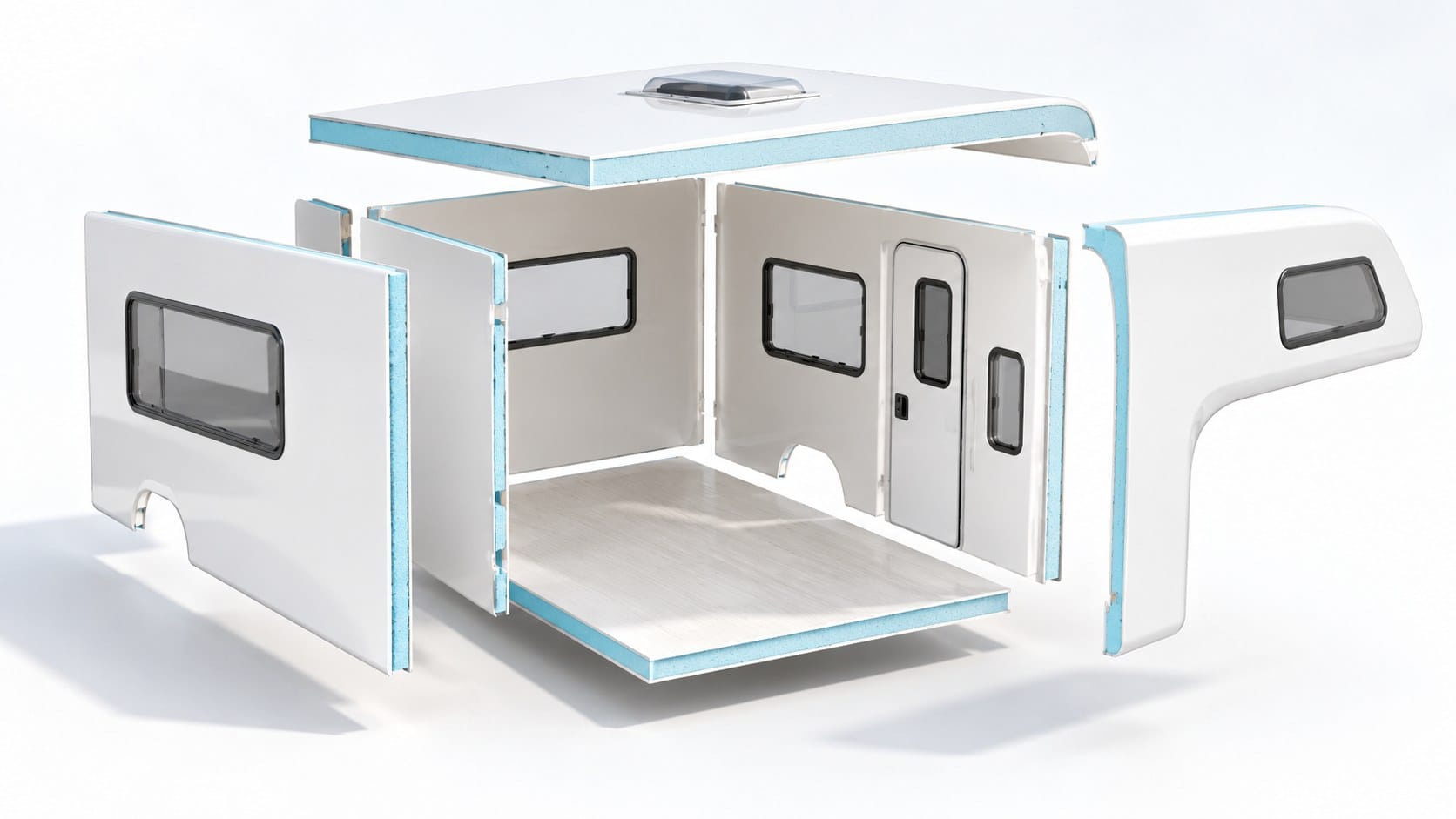
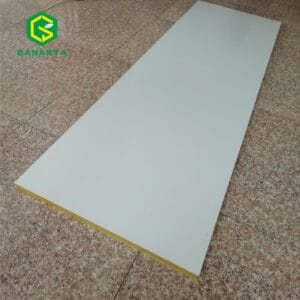
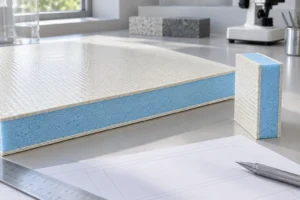
Buy camper-body panels by component: sidewall, roof and floor need separate specifications. An FRP-faced XPS sandwich panel describes a material construction. It does not, on its own, specify a complete caravan body, a walkable roof or the attachment points for furniture. For a repeat vehicle build, start with the body drawing and turn it into a controlled parts schedule before comparing panel prices.
This guide is for camper and caravan fabricators sourcing panels or foam cores. Banarta accepts FRP-faced XPS panel enquiries for vehicle-body fabrication; the available construction, processing and supporting documents must be confirmed for the order. It is a material-sourcing route, not an offer of a certified complete vehicle body.
Choose the panel by its job in the body
Start with three separate order lines, even if the proposed panels initially have the same thickness. A wall, roof and floor can have different supports, attachments, finishes and exposure. Use the following comparison to identify the information that changes the specification.
| Body component | What to define before comparing offers |
|---|---|
| Sidewalls and end walls | Identify outside and inside faces, window and door openings, edge joints and attachment locations. State the required exterior finish and the evidence needed for weathering and service exposure. |
| Roof | Show its supports, edge connection and every planned vent, air conditioner, rack or solar attachment. State whether access is intended and obtain the panel and connection design for those loads; a wall-panel quotation does not answer the roof question. |
| Floor | Show the chassis or supporting members, furniture and equipment locations, covering layers and underside exposure. Identify where concentrated loads and fasteners enter the construction. |
Do not choose one “strongest” core value and apply it to every part. The core, skins, bond, supports and connections work as an assembly. For evidence at the material and complete-panel levels, use the FRP panel supplier qualification guide.
Finished panels or XPS cores for your own lamination?
Choose the purchasing route that matches the work your workshop intends to perform.
- Finished faced panels: define face A, core and face B, overall thickness, supplied sheet or part dimensions, and the operations included. Ask whether cutting, edge preparation or other drawing details are within the proposed supply scope.
- Bare XPS cores: define the core thickness and tolerance, surface preparation and compatibility requirements for your own lamination process. The OEM / ODM XPS board route is a starting point for this enquiry; the finished sandwich-panel performance remains a separate requirement.
A wall drawing is not a stock-sheet size. If a vehicle side is larger than the available sheet, resolve the supplied panel format and joint design before approving the cut list. Banarta's published FRP table describes a broader panel family; it does not confirm every size, skin or thickness combination for a camper project. Ask for the proposed configuration in writing.
Build a panel mass budget before comparing price
A light foam core is only one part of the finished body mass. Use the supplier's mass per square metre for each exact panel construction, then account separately for profiles, inserts, adhesive, fixings and other body components.
Illustrative planning example only: assume a simple box body 4 m long, 2 m wide and 2 m high. These are body dimensions, not offered sheet sizes. Ignore roof curvature and use an assumed uniform panel mass of 5 kg/m² for its walls and roof. Neither the construction nor this mass is a Banarta product specification.
| Planning item | Calculation |
|---|---|
| Two sidewalls | 2 × 4 × 2 = 16 m² |
| Front and rear walls | 2 × 2 × 2 = 8 m² |
| Roof | 4 × 2 = 8 m² |
| Gross wall and roof panel mass | (16 + 8 + 8) × 5 = 160 kg |
| Assumed openings removed | 3 m² × 5 = 15 kg removed; panel subtotal 145 kg |
| Assumed added profiles, inserts, bonding and fixings | 35 kg; estimated wall and roof assembly subtotal 180 kg |
The 180 kg subtotal excludes the floor, chassis, windows, doors, equipment, interior fit-out and cargo. It is not a payload or vehicle approval calculation. Openings remove panel material, but the fitted windows, doors and surrounding components add mass back. If the wall and roof constructions differ, calculate each area with its own confirmed kg/m².
Also keep installed mass separate from purchased material: a cut-out may reduce the installed panel mass without reducing the sheets you need to buy. Use the panel cutting and yield guide for the purchasing layout, and the layer-by-layer panel weight guide when a quoted areal mass needs checking.
Resolve openings and attachments before cutting
Give the panel supplier the same drawing revision used for the door, window and equipment layouts. Mark left and right sides as viewed from a named face. A mirrored opening can make a correctly sized panel unusable for the intended vehicle side.
Show proposed attachment and local reinforcement locations on the drawing, together with who supplies and installs them. An XPS core compression figure does not establish screw pull-out resistance or an approved fixing for an awning, seat, cabinet or roof accessory. Ask the responsible designer to define the load path and required evidence; then have the supplier confirm the fabrication scope that can be quoted.
Agree the edge and cut-out closure detail, mating profiles and sealing system as part of the body design. For bonding, the actual skin surface and preparation matter: refer to the adhesive compatibility review rather than treating every FRP or XPS-labelled product as interchangeable.
Copy a component schedule into your enquiry
Make one record per component and construction. Duplicate the record for the opposite side rather than silently assuming the two sides have identical openings. Complete the fields below with your own design data; leave undecided items clearly marked for review.
| Field | Fill in for each component |
|---|---|
| Component and drawing | Part ID: ___; side / roof / floor: ___; drawing revision: ___; viewing face: ___ |
| Panel construction | Outside face: ___; core: ___; inside face: ___; overall thickness and tolerance: ___ |
| Geometry | Finished dimensions: ___; opening references: ___; edge / joint detail: ___ |
| Attachments | Support drawing: ___; insert or reinforcement references: ___; design and supply responsibility: ___ |
| Mass record | Confirmed kg/m² and basis: ___; net panel area: ___; separately added components: ___ |
| Supply scope | Full sheets / cut parts / core only: ___; operations included: ___; protective finish or packing: ___ |
| Quantity and approval | Pieces per body: ___; number of bodies: ___; spares separately: ___; sample and document acceptance: ___ |
For example, if an approved schedule requires two identical end-wall blanks per body and the batch contains eight bodies, the baseline is 16 blanks before separately agreed spares. Keep a left-hand and right-hand sidewall as different part IDs whenever their openings or orientation differ. This is a counting method, not a proposed camper kit.
Send a configuration-led request to Banarta
Choose FRP-faced XPS panels for a faced-panel discussion or XPS core boards for OEM supply when your workshop will laminate the panels. Attach the component schedule, drawings, batch quantity, destination and required documents to your vehicle-panel material enquiry.
Ask the quotation to identify the proposed construction, available dimensions, sample arrangements, processing scope, minimum quantity and lead time. Vehicle structural design, regulatory approval and suitability for the intended service must be established separately for the complete design; material supply alone does not establish those outcomes.
Industry references and scope
- Creative Composites: caravan and RV panels illustrates the commercial use of distinct wall, roof and floor components. Its manufacturing capabilities and performance statements apply to its products.
- Ravago Industry Solutions: applications identifies caravans and motorhomes among industrial XPS-core uses. It does not qualify a Banarta panel or a particular vehicle design.